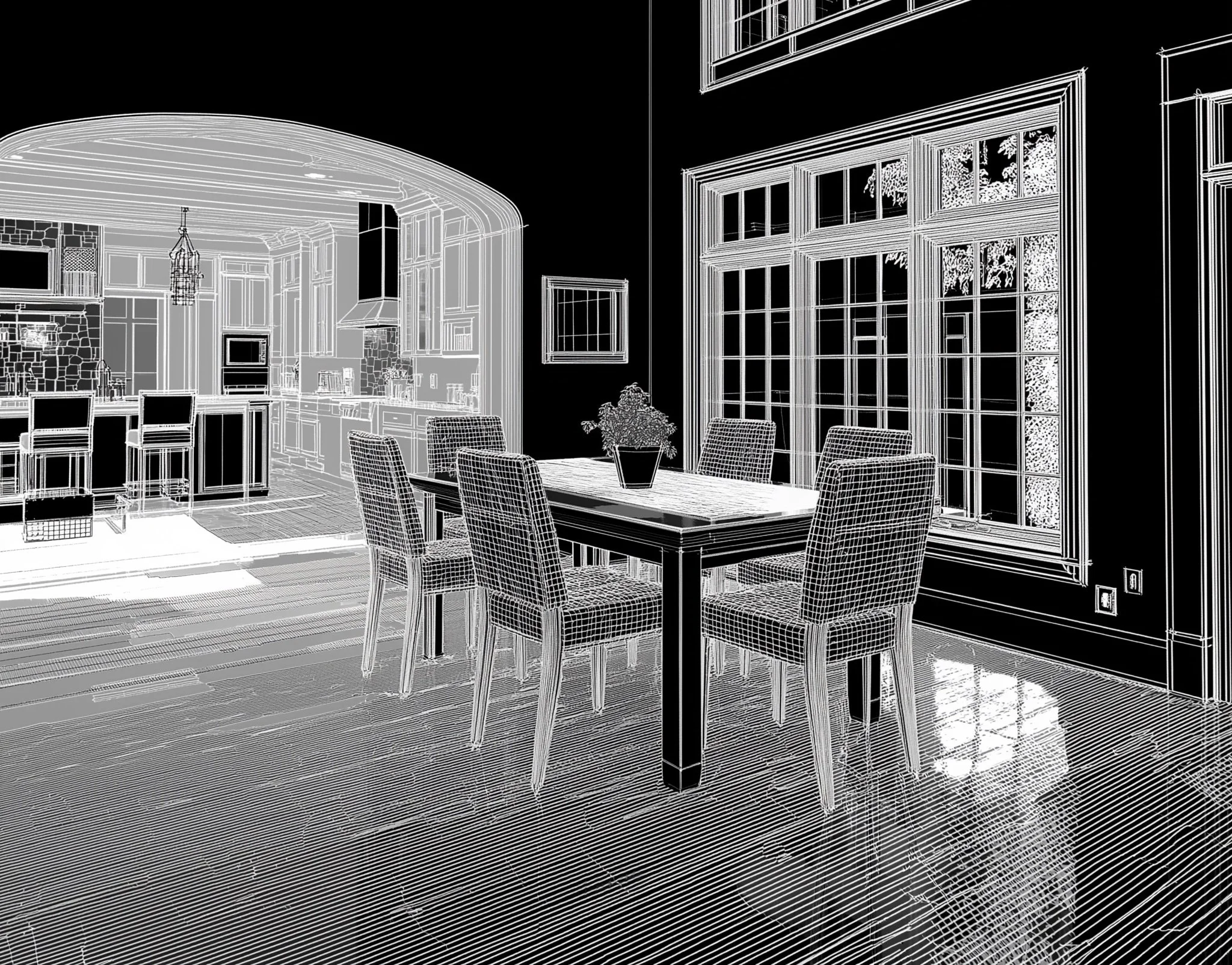
“The landscape of retail spaces, pop-ups, and runway installations has shifted away from purely functional environments toward immersive, narrative-driven experiences that blur the line between art, architecture, and commerce.”

Experiential Storytelling
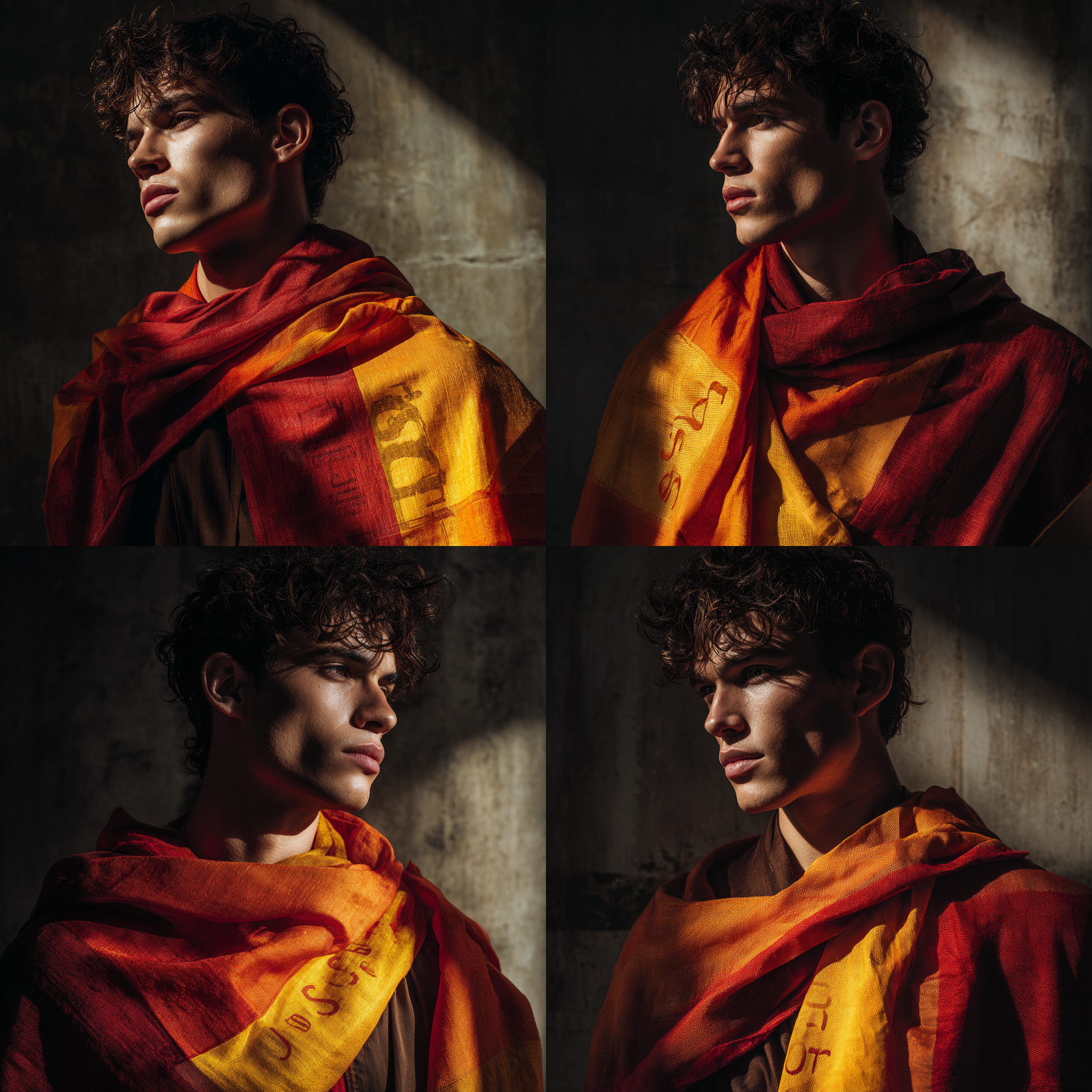
Physical builds are now designed to tell a story. Whether it’s a flagship store in SoHo or a one-week pop-up in Paris, brands like Gucci, Jacquemus, and Louis Vuitton invest heavily in creating environments that evoke emotion, provoke thought, and deepen brand connection. These are not just places to shop—they’re environments to experience.
Collaboration with Artists and Architects
Luxury fashion has embraced collaboration with cutting-edge designers, installation artists, and architects to craft unique spatial identities. Think Raf Simons teaming up with Sterling Ruby, or Balenciaga working with architecture firms to create brutalist, immersive retail spaces. The goal is to make the build an extension of the brand’s creative philosophy.
Temporary Builds as Cultural Moments
Pop-ups and event installations have become essential brand tools. Temporary builds—like Louis Vuitton’s “LV Dream” or Prada’s traveling cafés—are constructed as social media-ready experiences, often with limited-time merchandise drops. These events drive hype, exclusivity, and virality, reinforcing the brand's cultural capital.
Sustainability and Modularity
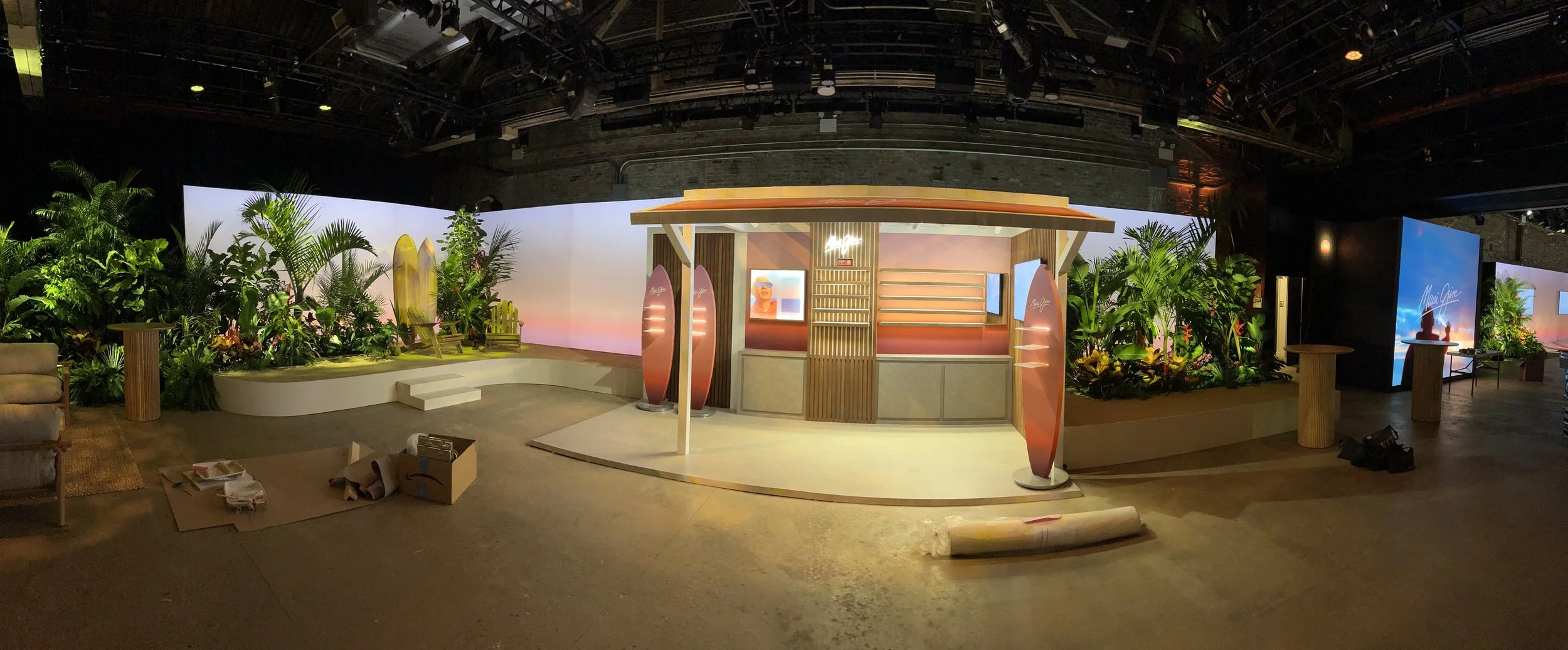
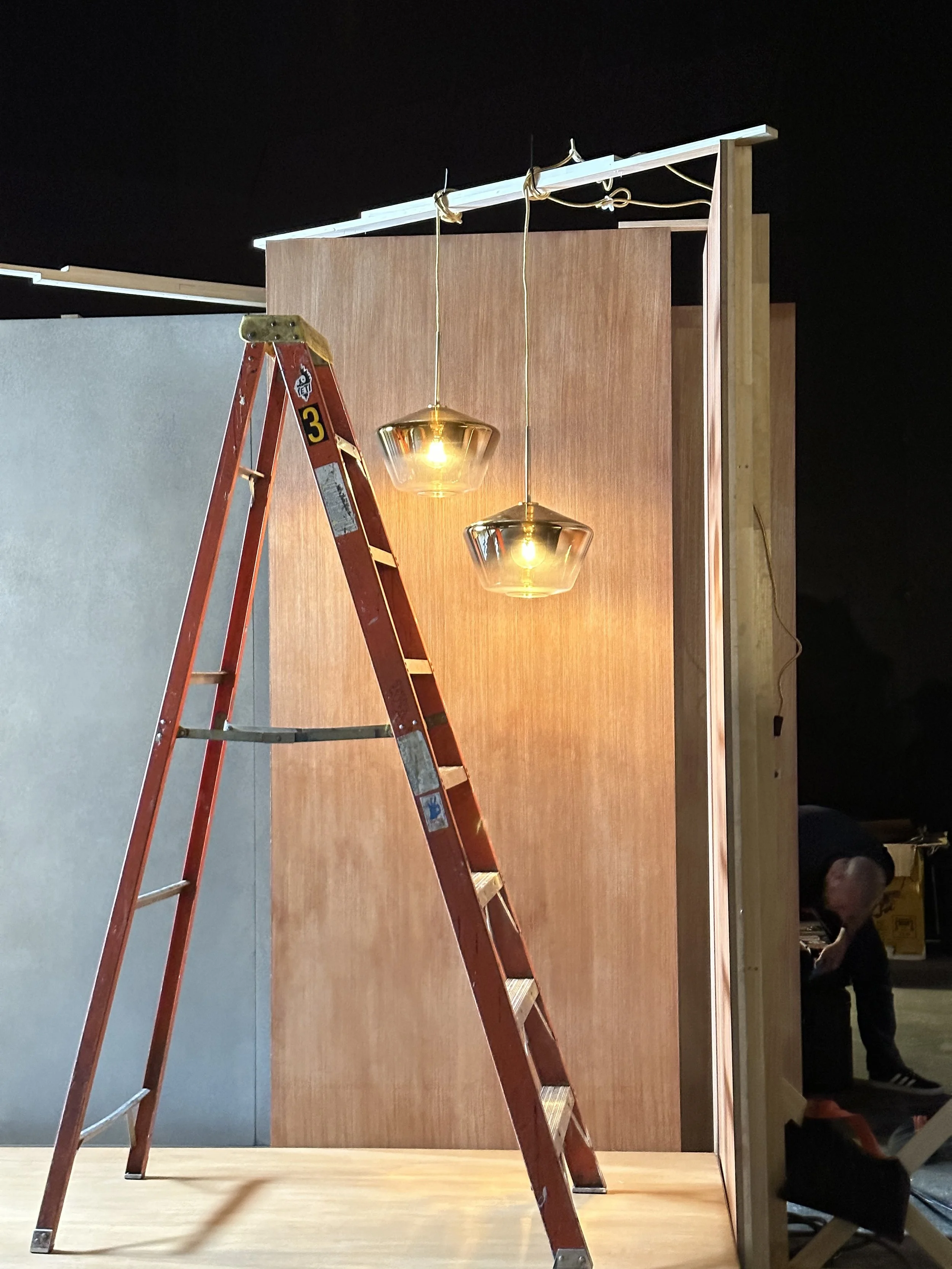
There’s growing pressure for high-fashion to demonstrate sustainability, even in physical installations. As a result, many brands are opting for modular, reusable components and low-impact materials in set design. This balances visual drama with responsibility—an increasingly important part of the luxury narrative. In starting with labeling KPI with owners, design teams, and contractors, we are focused on risk preemption and defining structural roles & responsibility.
Tech-Integration
Fashion brands are increasingly using interactive technology in their builds—from AR-enhanced mirrors to sensor-based lighting and projection mapping. This not only elevates the user experience but creates measurable data on customer interaction, helping brands refine future campaigns. The sure thing is that high-fashion physical builds are naturally evolving toward multi-sensory, immersive environments that reflect a brand’s ethos and cultural relevance. These builds are no longer just settings—they're strategic brand statements crafted with as much care and creativity as the crafts themselves.
Read more about intersections of art, business, and technology in our blog BY:US where we do deep-ish dives into emergent creativity here and abroad…