HUE_REMIND_ME_

Mechanics of digital 'seeing'
Upload, Analyze, Download Your Own Personalized RGB/HEX Mapping Today.
by ©2026 MBD&Co.
Historically, many quantization systems were developed as engineering solutions. Median-cut quantization, introduced in the early 1980s and still foundational today, divides color space into optimized regions to preserve visual similarity while reducing palette size. A recent retrospective in the Journal of the Optical Society of America describes how these techniques influenced later clustering algorithms, vector quantization systems, and image compression pipelines. Subsequent research extended these ideas through octree structures, k-means clustering, and perceptual color models. Contemporary papers continue refining quantization efficiency and perceptual fidelity through adaptive thresholding and machine-learning-assisted palette generation. Yet in artistic practice, the value of quantization is rarely about optimization alone, we seek to hack the process; reframing the mechanics of digital seeing.
Interestingly, programmers themselves often distinguish between different philosophies of reduction. Discussions among graphics developers note the difference between “posterization” — simple tonal reduction — and palette optimization methods such as median cut or Wu quantization. Posterization preserves predictable tonal steps, while palette optimization aggressively restructures color relationships for perceptual efficiency. That distinction mirrors a larger tension within creative technology: whether computation should simulate reality as accurately as possible or reinterpret it through expressive abstraction.
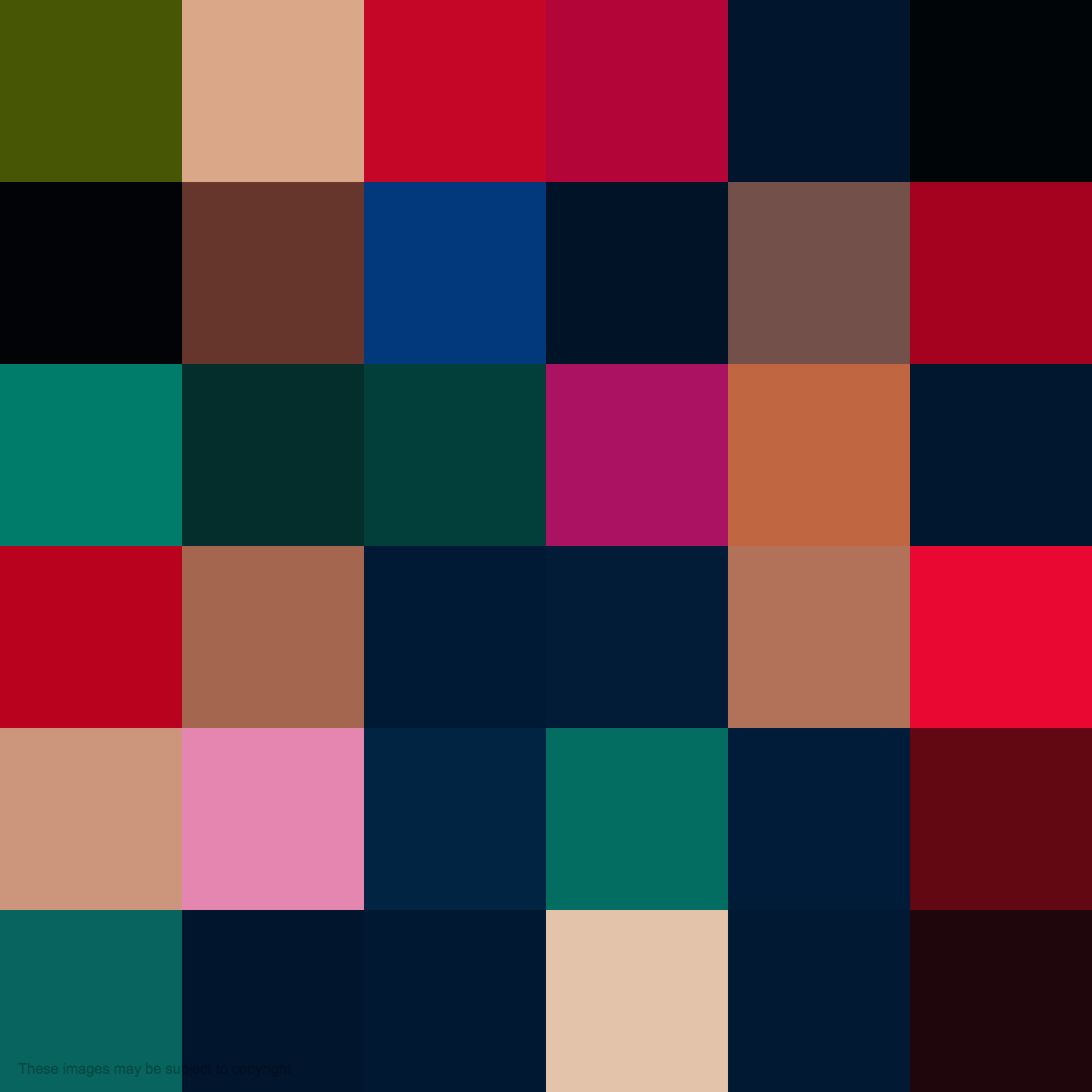
This work discusses reduction as recollection but not necessarily loss. While reduction in many cases generates clarity; our constraints sharpen relationships. Hues’ visual system challenges conventional artistic legibility because it is purposefully coded to not contain everything. As color mappings are arbitrarily generated and/or regulated, outputs merely expose the compression already present in human cognition. While the algorithm decides how visible that compression should be, the viewers’ challenge is to uncompress whetever imbued emotion for uniquely individual appeal. Seeing, memory, and language or selective and subjective, ‘HueRemindMe’ is meant to collaborate with users to hack their own visual memory through programmed and reprocessed stimuli.
~a.d.